The Silicon Revolution in Your Pocket: Why the ESP32-C3 SuperMini is Changing the Game
In the world of DIY electronics, we’ve often had to choose between power and size. If you wanted a robust WiFi connection, you used a bulky DevKit. If you wanted something tiny, you sacrificed performance or connectivity. But the industry has reached a tipping point, and the TENSTAR ROBOT ESP32-C3 SuperMini development board review you are about to read confirms one thing: the compromise is officially over.
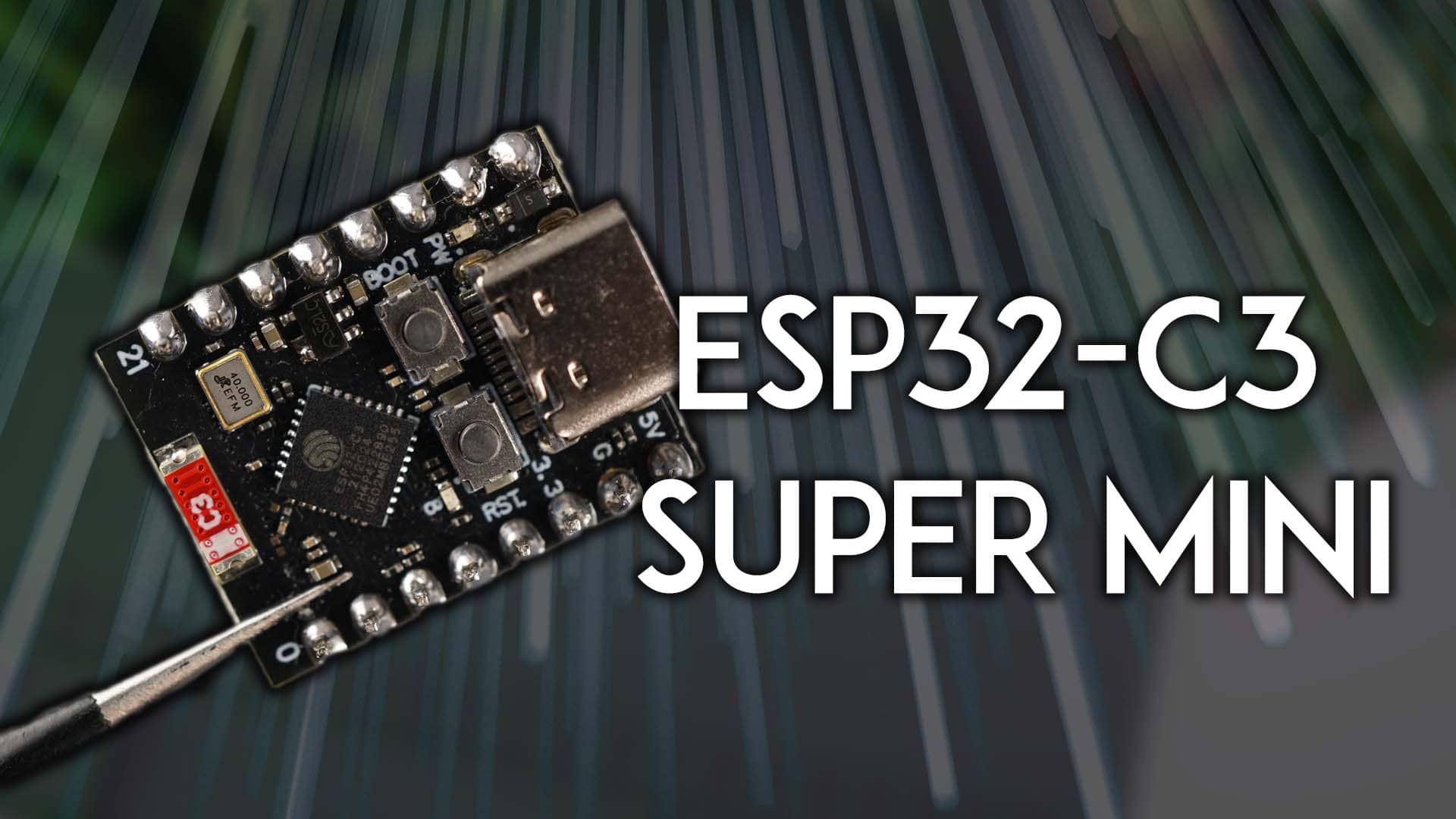
This isn’t just another microcontroller; it’s a manifestation of how far silicon engineering has come. Based on the RISC-V architecture, this “SuperMini” board is roughly the size of a postage stamp, yet it packs enough punch to run complex web servers, manage smart home mesh networks, and handle encrypted Bluetooth communication simultaneously.
Breaking Down the RISC-V Architecture
For years, the ESP8266 was the king of the “cheap and cheerful” IoT world. Then came the standard ESP32, which added a second core and Bluetooth. But the ESP32-C3 represents a structural shift. By moving to an open-source RISC-V instruction set, Espressif (the chip designers) created a more efficient, modern processor.
When you look at ESP32-C3 vs ESP8266 for small electronics projects, the difference is night and day. The C3 offers significantly better security features (like secure boot and hardware encryption), more GPIO flexibility, and native Bluetooth 5.0 (LE) support—all while maintaining a price point that makes it accessible to even the most budget-conscious hobbyist.
Design and Build: The “SuperMini” Form Factor
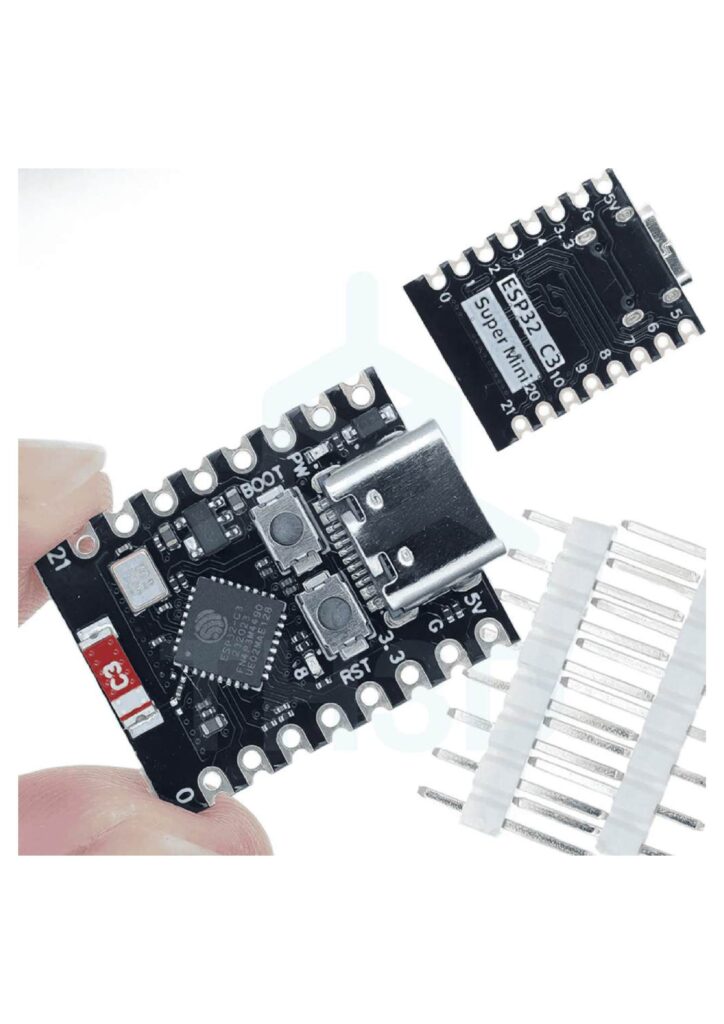
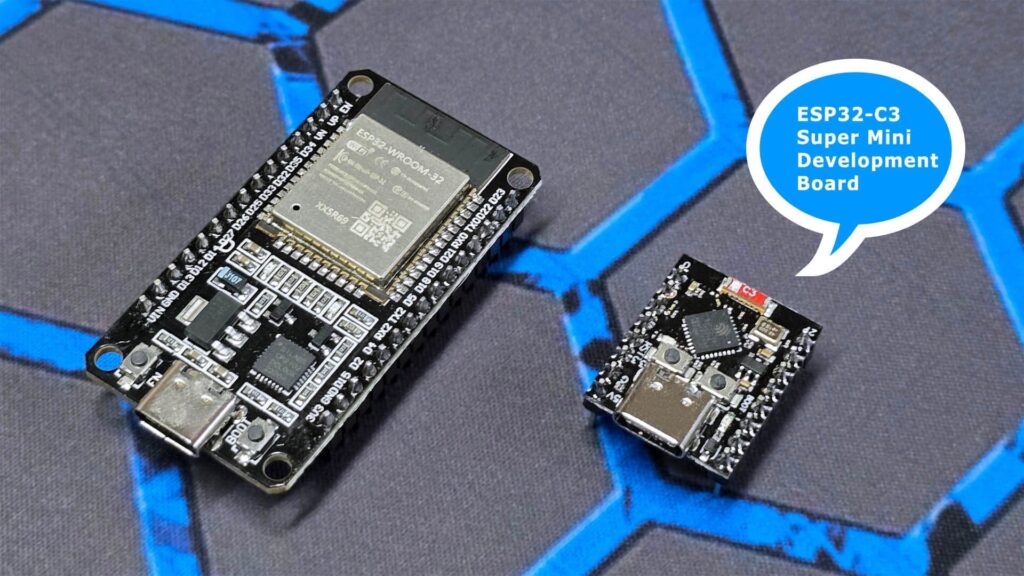
The first thing you notice when holding the Tenstar Robot version is the footprint. It is a breadboard friendly ESP32 development board that actually leaves room for jumper wires on either side. Most “mini” boards are still wide enough to cover every single hole on a standard breadboard, forcing you to use messy underside wiring.
The build quality of the Tenstar Robot variant is remarkably clean. The soldering on the surface-mount components is precise, and the USB-C port is securely anchored—a vital detail for a board that will be plugged and unplugged hundreds of times during the debugging process. If you’ve been searching for a tiny WiFi microcontroller for wearable tech, this form factor is essentially the industry standard for what “small” should look like.
Power Efficiency: The Battery Life King
If you are building a remote sensor that needs to live on a single LiPo battery for months, you need to understand the ESP32-C3 deep sleep power consumption guide specs. The C3 is designed for the “Connected Era.” In deep sleep mode, it draws micro-amps of current, allowing it to “wake up,” send a temperature reading over WiFi, and go back to sleep before the battery even notices it’s gone.
This makes it the best low power WiFi Bluetooth microcontroller for IoT applications where wall power isn’t an option. Whether you’re building a soil moisture sensor for your garden or a smart mailbox notifier, the ESP32-C3 ensures your project spends more time working and less time on the charger.
The Maker’s Experience: Software and Compatibility
A piece of hardware is only as good as its documentation. Thankfully, because this uses the ESP32-C3 chip, it is fully compatible with the official Espressif ESP-IDF as well as the much more accessible Arduino environment.
Many users initially struggle with how to program ESP32-C3 with Arduino IDE, but the process has become incredibly streamlined. You simply add the ESP32 board manager URL, select the ESP32C3 Dev Module, and you’re ready to go. The board even features a built-in USB-to-Serial converter, meaning you don’t need external programmers or “FTDI” adapters. You can grab the latest version with the USB-C interface here and start uploading code within minutes of unboxing.
Connectivity Without Compromise
The “SuperMini” might be small, but its wireless range is startling. Despite the tiny PCB antenna, it maintains a stable WiFi connection through multiple walls. The inclusion of Bluetooth 5.0 (LE) is the real “cherry on top.” It allows for easy mobile app integration, so you can control your DIY projects directly from your phone without needing to set up a complex cloud infrastructure.
As a compact RISC-V development board for battery power, it excels in “Bridge” roles—taking data from Bluetooth sensors and uploading it to a central WiFi server. It is the missing link in the smart home ecosystem.
Tenstar Robot ESP32-C3 Pinout and Features
Let’s talk specs. Don’t let the size fool you:
-
Processor: RISC-V 32-bit single-core, up to 160 MHz.
-
Memory: 400KB SRAM, 384KB ROM, and usually 2MB or 4MB of Flash.
-
Connectivity: 2.4 GHz WiFi and Bluetooth LE 5.0.
-
I/O: 13-15 GPIOs, including ADC, SPI, I2C, and PWM.
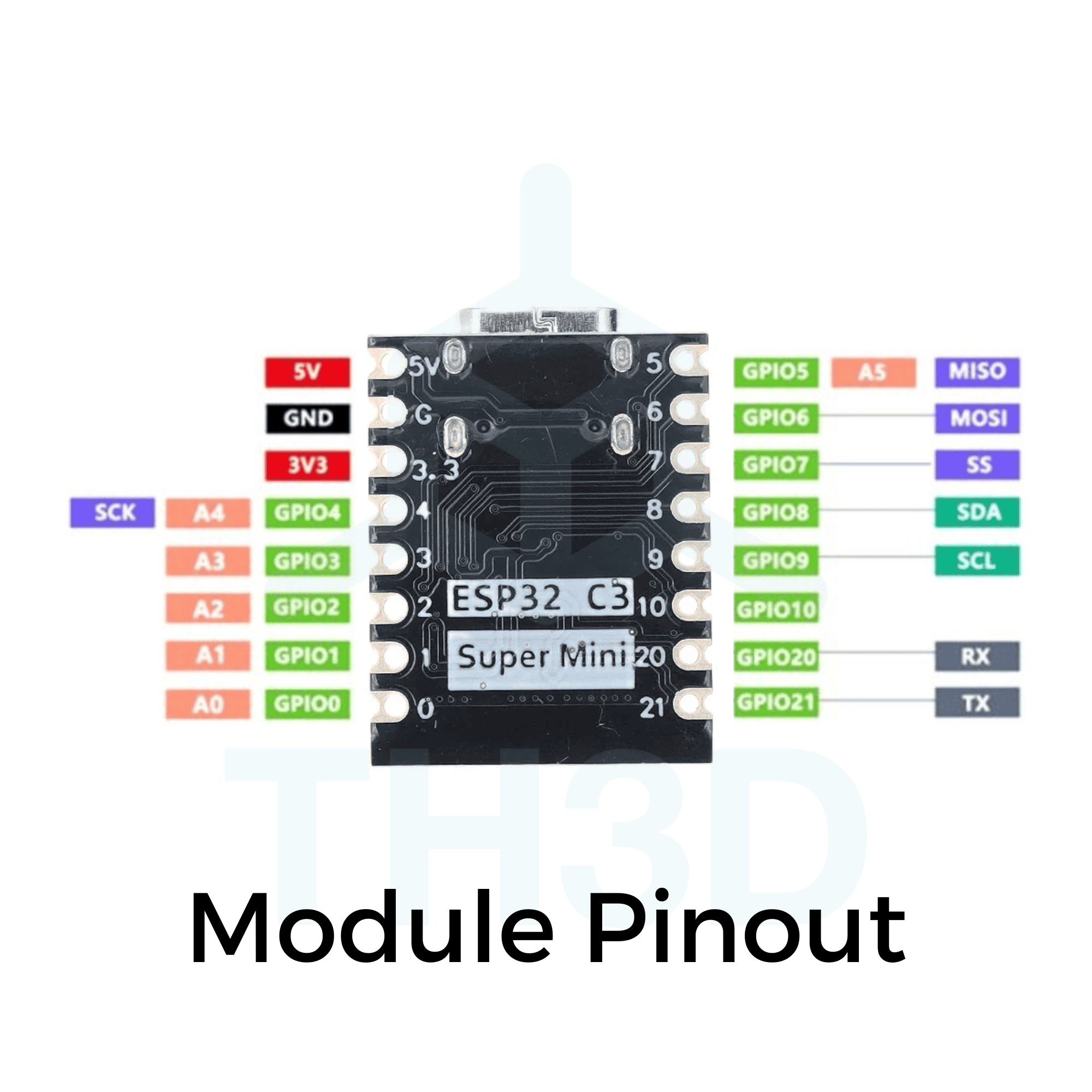
The TENSTAR ROBOT ESP32-C3 pinout and tutorial resources available online show that while the pin count is lower than a full-sized ESP32, it has enough “omni-pins” to handle almost any standard sensor array or OLED display project.
Is This the Cheapest Way to Get Into IoT?
When people search for the cheapest ESP32-C3 board for home automation, they often find themselves looking at the Tenstar Robot listings. Because they’ve optimized the manufacturing process, you can often pick up these boards for the price of a cup of coffee. This low barrier to entry is essential for education. You can afford to buy ten of them, experiment, and even “let the magic smoke out” of one without feeling the sting in your wallet.
The Persuasive Case for the SuperMini
Why should you buy this over a standard ESP32 or an older ESP8266? Because the future is RISC-V. By choosing the ESP32-C3, you are working with the latest security protocols and the most efficient power management algorithms available today. You aren’t just buying a chip; you’re future-proofing your projects.
The community support for this board is exploding. Whether you’re a professional engineer looking for a rapid prototyping tool or a student wanting to learn the ropes of IoT, this board offers the most “bang for your buck.” It is, quite simply, the best budget WiFi/BLE board for makers on the market.
Final Verdict: The Small Board with Big Ambitions
The ESP32-C3 SuperMini isn’t just a component; it’s a catalyst. It takes the ideas that were once too bulky or too expensive and makes them feasible. If you’ve been putting off that “smart” project because you didn’t want a massive plastic box hanging off your wall, this is your sign to start.
It’s small enough to hide anywhere, powerful enough to do anything, and cheap enough to use everywhere. To get started on your next invention, you can find the official TENSTAR ROBOT boards here and join the thousands of makers who have already made the switch to RISC-V.
The silicon revolution is here, and it fits on the tip of your finger. What will you build with it?